
We don’t do patch fixes,
WE DO PERMANENT FIXES.
We don’t do patch fixes, WE DO PERMANENT FIXES.
Licence No. 272496C


Tell us what you need, and we’ll send you a fast, personalised quote.


With our Bathroom Grouting Sydney service, we remove failed grout where needed, prepare the joints properly, and then regrout the area with care. In addition, we explain what we are replacing, what we are not replacing, and whether nearby issues such as silicone failure or tile movement need separate attention.

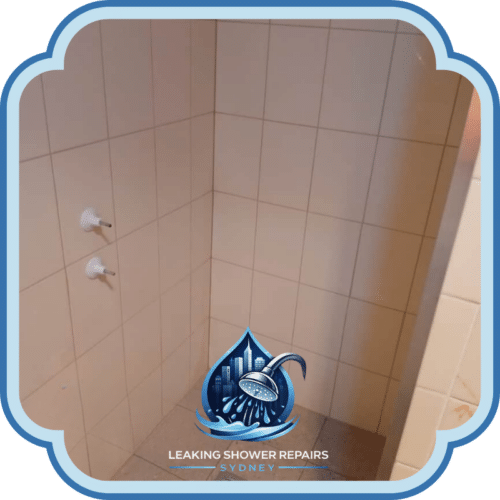
Common grout issues we see
What you can expect after professional Bathroom Grouting
We check grout condition, movement points, and any obvious leak pathways. If you need a quote, we’ll provide a fixed price after seeing the site.
Site inspectionWe protect surrounding surfaces and plan the grout removal method that suits your tile type and joint condition.
PreparationWe take out loose, cracked, or degraded grout to a depth that allows the new grout to bond properly, rather than smearing over the top.
Grout removalJoints are cleaned and prepped so the new grout sits correctly and cures as expected.
Clean jointsWe apply fresh grout with attention to consistency and finish. Where required, we’ll discuss higher-performance grout options, for example epoxy in suitable areas.
Fresh groutYou’ll get realistic guidance on when the area can be used again and how to clean it going forward. Many regrouting jobs need a no-use window.
AftercareWe service Sydney-wide, with after-hours availability where it suits the job and schedule.
Leaking Shower Repairs Sydney — we come to you, wherever you are in Sydney.
leakingshowerrepairs.sydneyBathrooms are wet areas—small details matter. A lasting grout job isn’t just “new grout over old lines”.
Proper preparation — removing failed material to the right depth, cleaning joints, and helping the new grout bond properly.
Licensed, qualified team focused on wet-area repairs with Contractor Licence 272496C.
Clear scoping so you understand what’s included before the bathroom grouting work begins.
Options explained in plain English including repair, regrout, sealing, or waterproofing where needed.
Practical aftercare so your grout finish stays looking good for longer.
Failed grout is removed properly before new material is applied.
Work is completed with bathroom moisture and long-term performance in mind.
Repair, regrout, sealing, and waterproofing options are explained clearly.
Want to know more about who you’re hiring? See: Licensed, qualified team.
If you are comparing quotes, look beyond the price alone. Instead, check what is actually being replaced, how much grout removal is included, whether surrounding issues are excluded, and how the contractor explains the repair scope.
This option suits localised grout failure, such as one wall line, a small floor area, or isolated cracking. It can be cost-effective, provided the surrounding grout remains structurally sound.
This option suits grout that is failing across multiple lines or showing widespread staining and crumbling. As a result, it often delivers the most noticeable visual improvement.
Sealing is not a fix for missing or powdery grout. However, if the grout is still sound and you want additional surface protection, sealing may be worth discussing.
If inspection suggests deeper failure behind the tiled surface, grout work alone may not solve the issue. In that case, we explain whether broader waterproofing work is the more appropriate next step.
Yes—partial grout replacement is possible when surrounding grout is still sound. The key is matching colour and ensuring the repaired area is properly prepared so the new grout bonds. After inspection, we’ll recommend either a targeted repair or a broader regrout based on what will last.
Regrouting can remove mould-stained grout and reduce places where grime builds up, but mould can return if ventilation is poor or moisture continues to sit on surfaces. We’ll give practical cleaning and ventilation tips, and we can discuss grout choices that resist staining better in high-exposure areas.
It depends on the grout type, joint depth, and conditions in your bathroom. Many regrouting jobs require a no-use window (often around a day) to cure properly. We’ll confirm your specific cure time on the day so you can plan around it.
Epoxy grout can be more stain-resistant and lower-porosity than cement-based grout, which can make it a good fit in certain wet zones. It also isn’t the best choice for every tile and joint type. We’ll explain the pros and cons and only recommend it where it suits the surface and usage.
Grout is used between tiles on flat planes. Silicone is used at movement points—corners, junctions, and around fixtures—because it stays flexible. Using grout where silicone should be can lead to cracking. During inspection we’ll point out which joints should be treated as grout vs silicone zones.
Not always. Some leaks are caused by failed silicone, movement, plumbing issues, or waterproofing problems behind the tiles. Regrouting can help when grout failure is part of the pathway, but we’ll focus on the likely cause rather than guessing from symptoms alone.
Often yes, within practical limits. Exact matching can be tricky when the existing grout has aged or stained. We’ll discuss colour options and what will look most consistent across the bathroom, especially if you’re choosing partial repairs.
In most cases, no. We’ll let you know what areas need to stay clear, and we’ll keep the work zone tidy. If any step requires extra ventilation or limited access, we’ll explain it upfront.
Bathroom grouting services typically focus on the grout lines rather than tile replacement. If we find loose or hollow tiles during inspection, we’ll discuss the safest next step and whether tile repair is required before regrouting for a lasting outcome.
We provide a fixed quote after an on-site inspection. That way, you’re not paying for guesswork—we can confirm how much grout needs removal, whether any prep is required, and what grout type is appropriate.
