
We don’t do patch fixes,
WE DO PERMANENT FIXES.
We don’t do patch fixes, WE DO PERMANENT FIXES.
Licence No. 272496C
Leaking Shower Repairs Sydney (Licensed & qualified wet-area specialists)


Tell us what you need, and we’ll send you a fast, personalised quote.


Sealing is often the right first step when the problem is at the edges—for example, where the shower screen meets tile, where tiles meet a bath, or where the wall meets the floor. If the inspection suggests the issue is deeper than the joints (for example, water is travelling behind tiles or the substrate is compromised), we’ll talk you through options such as bathroom waterproofing instead of simply resealing.
If you’re not sure whether you’re looking at shower-related leakage or broader bathroom water ingress, that’s normal—most leaks show up away from the actual source.
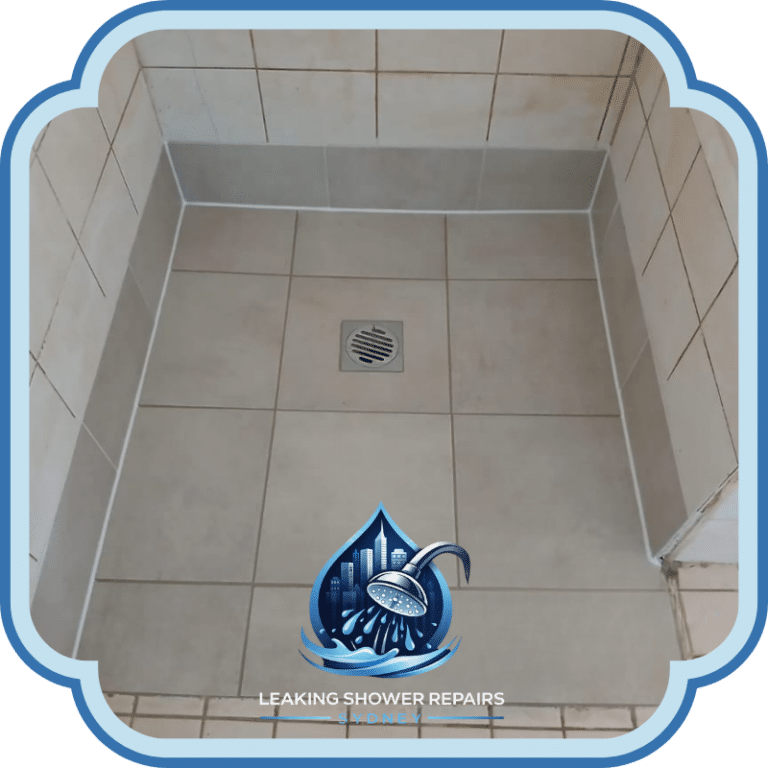
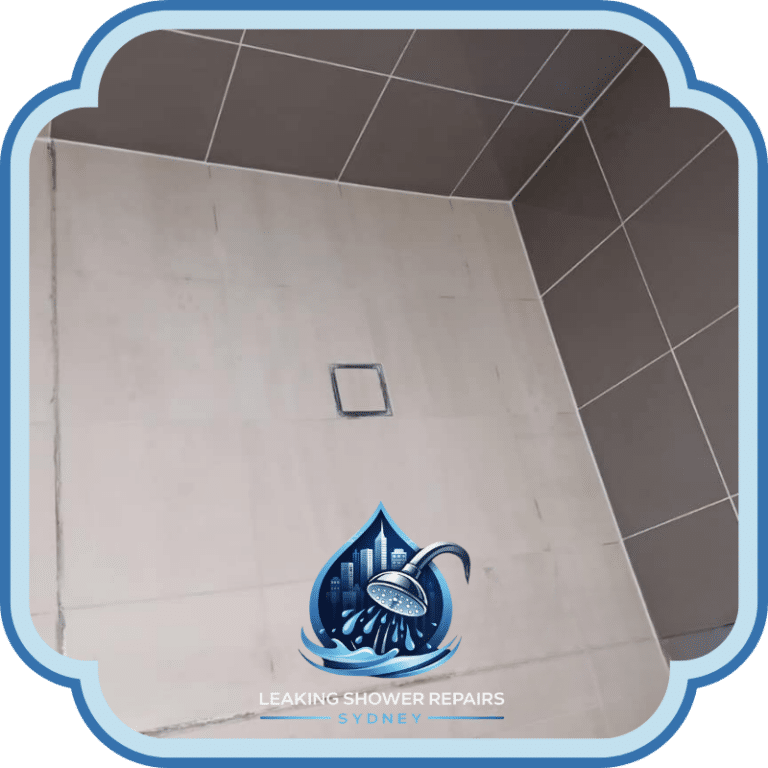
Sometimes sealing alone isn’t enough. If the grout is crumbling, tiles are loose, or moisture has travelled beyond the joint line, the right fix may include regrouting or targeted repairs. When that’s the case, we’ll often recommend companion work like tile grouting and sealing or broader leaking bathroom repairs depending on what we find.
We check the condition of existing silicone, grout lines nearby, and the edges that take the most water exposure. If you want to understand leak signs before we arrive, this guide on how to spot a hidden shower leak is a handy starting point.
InspectionProper removal and preparation is what separates a quick patch from a lasting reseal. We aim for clean edges and proper bonding, not sealing over problems.
Prep workNot all sealants are equal in wet areas. We choose products based on where they’re going (corners, frames, bath edges) and the movement expected. If you like the details, here’s a breakdown on choosing the right shower sealant.
Sealant choiceWe apply a consistent seal and tool it neatly so it looks clean and is easier to keep clean.
ApplicationYou’ll get clear instructions on cure time and when the bathroom can be used again. Timing depends on product choice, airflow and humidity—so we set expectations on-site rather than guessing.
AftercareWe book bathroom sealing Sydney-wide, with after-hours availability where needed.
For reference, we commonly attend homes across the metro area, including Parramatta, Penrith, and Castle Hill (examples only).
Leaking Shower Repairs Sydney — we come to you, wherever you are in Sydney.
leakingshowerrepairs.sydneyIf you’re comparing options, these quick checks help you avoid paying twice.
If you’re comparing options, these quick checks help you avoid paying twice.A good provider will explain what sealing can realistically achieve. For wet areas, there’s also a compliance backdrop: in NSW, waterproofing work requires the appropriate licence or certificate, and wet-area construction solutions commonly reference NCC provisions and standards like AS 3740 where relevant.
NCC background on waterproofing in houses (wet-area provisions and how standards can be used)
NSW Government guidance: licensing/certification requirement for waterproofing work
Industry overview of AS 3740 wet area waterproofing principles
We’re set up for wet-area repair work—so you get a practical, inspection-led approach rather than a sales pitch.
Clear scope: what we’re sealing, what we’re not, and why.
Tidy workmanship: neat edges, clean finish, and realistic curing guidance.
Licensed trade mindset: wet areas are high-risk if done poorly.
Escalation honesty: if sealing won’t solve it, we recommend the right next step.
Sydney-wide service: straightforward booking and on-site quoting.
We can also assist with bathroom tiling and leaking balcony repair when water problems extend beyond the shower.
Where work intersects regulated waterproofing, NSW requires the correct licence or certificate.
Inspection-led approach ensures solutions focus on real wet-area performance.
Want to know more about our team and approach? See: Licensed, qualified team.
Resealing is usually needed when silicone has split, peeled, shrunk, or shows persistent mould staining that returns quickly after cleaning. Another sign is water tracking along edges—like around the shower screen—or dampness at the base of joints. An on-site check confirms whether it’s just the seal, or something deeper like grout failure.
Bathroom sealing is not the same as full waterproofing. Sealing addresses exposed joints and edges (typically with silicone), while waterproofing involves membranes and compliant wet-area detailing. Wet-area waterproofing is commonly guided by NCC requirements and may use AS 3740 as a construction solution option.
Sealing can stop leaks when the water entry point is at the joint—like failed silicone at corners, frames, or fixture edges. If the leak is coming from behind tiles, through a failed membrane, or through structural cracks, sealing alone may not solve it. That’s why inspection matters before recommending the simplest (or biggest) fix.
Most sealing work is completed on the day, but total time depends on how much old silicone needs removing and how many edges are being resealed. Preparation and finishing often take longer than the silicone application itself. After we inspect, we’ll give you a realistic timeframe and a plan that suits your bathroom’s condition.
You can usually use the shower after the sealant has cured properly. Cure time varies depending on the product used, the thickness of the bead, ventilation, and humidity—so it’s not responsible to promise a single number without seeing the job. We’ll give you clear guidance on-site so you can plan around it.
We remove failed silicone rather than sealing over it. Sealing over old silicone often leads to poor adhesion and early failure, especially in wet areas where moisture and movement are constant. Proper removal and preparation are key to a clean finish and a seal that holds up.
New silicone can reduce mould-prone gaps and create a smoother edge that’s easier to wipe down, which helps. But mould is also driven by moisture, ventilation, and cleaning habits. We’ll advise on practical steps like airflow and drying down edges to help keep the resealed areas looking cleaner for longer.
Common sealing areas include internal corners, wall-to-floor junctions, around bathtubs and basins, vanity edges, and around shower screen frames where water is most likely to track. The inspection helps us confirm the key entry points in your bathroom, so you’re not paying to seal areas that don’t need it.
Bathroom sealing is often a good fit for strata and unit bathrooms because it’s targeted, tidy, and doesn’t usually require major demolition. That said, strata properties can have specific requirements around works and documentation. We’ll explain what we’re doing, why we’re doing it, and any practical considerations before we start.
Yes, after-hours availability can be arranged where needed, depending on location and the scope of work. If timing is tight (for example, one bathroom household), we can discuss booking windows and how to minimise downtime, including cure-time planning and which areas to prioritise first.
