We’re set up for Sydney-wide bathroom waterproofing work, with booking times based on current demand and site access. Examples of areas we commonly cover:

Licence No. 364828C
1300 119 805
Leaking Shower Repairs Sydney — licensed wet-area waterproofing & tiling (Lic. 364828C)


Bathroom waterproofing services should leave you with one clear outcome: water stays where it’s meant to stay—inside the wet area—and doesn’t migrate into walls, floors, or adjoining rooms. Here’s what that usually means in real life:
Because wet areas are regulated, it’s also normal to align the work to AS 3740 and the NCC wet-area provisions, rather than “doing what looks right.”
If you’d like to understand who you’re inviting into your home and what backs the work, start here: See our licensing and experience.
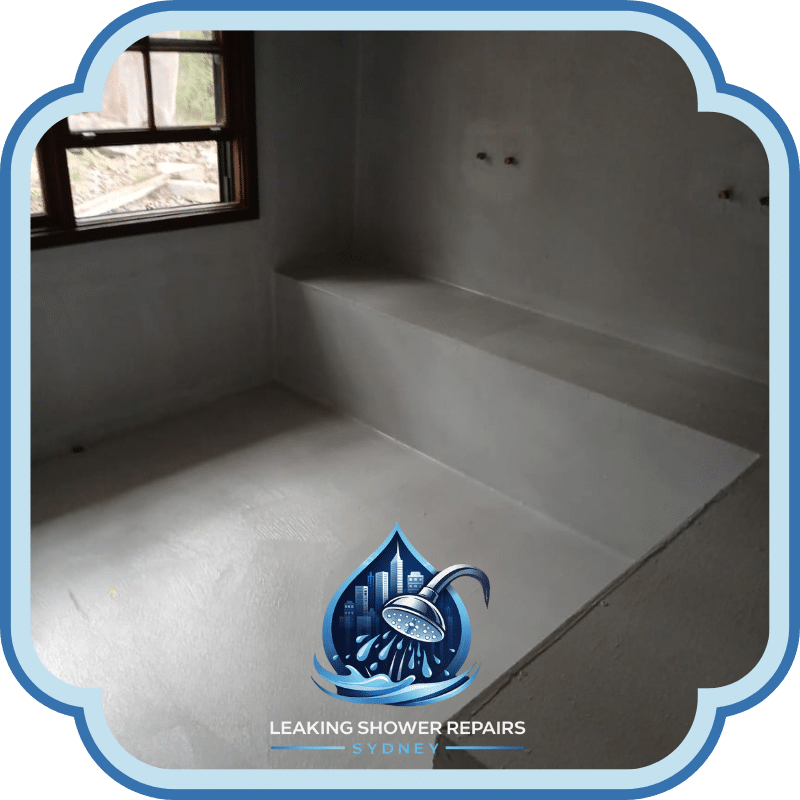
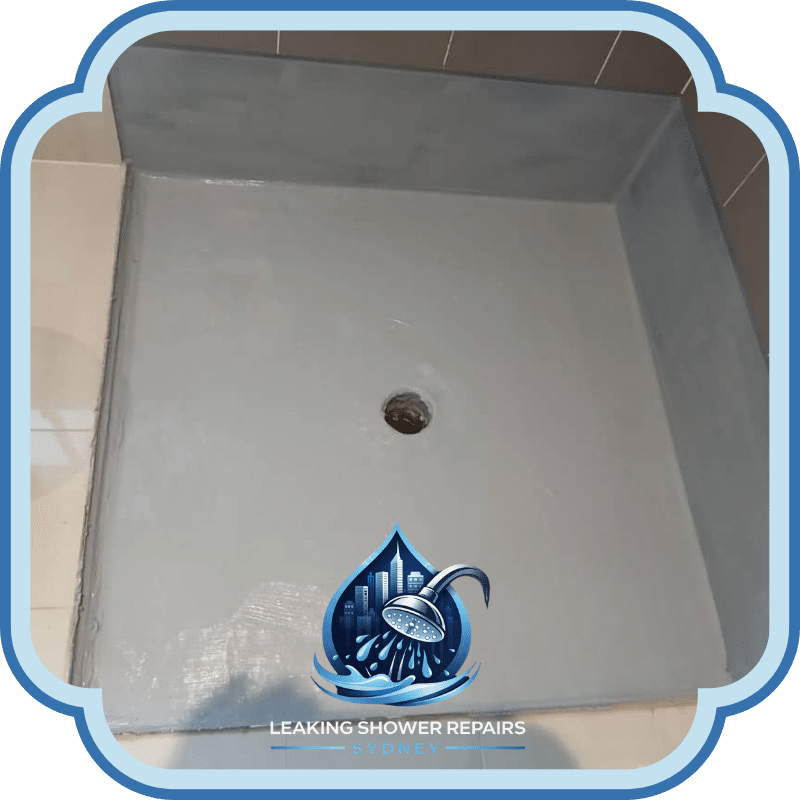
Common pain points we hear
If you’re already seeing water damage signals, it may be better to start with diagnosis and targeted repairs first, then rebuild the wet area correctly. That’s where Leaking bathroom repairs can be the right next step.
We confirm the symptoms, whether it’s a renovation stage or a failure scenario, and what access is available.
Phone checkWe inspect the wet area, likely entry points including junctions, penetrations, and shower zone, then identify whether you need full wet-area waterproofing or a more targeted scope.
Wet area checkYou’ll know what is included, what is excluded, and what needs to happen before and after, including drying time and tiling timing.
Clear scopeThis is where many jobs succeed or fail — surface prep, repairs, and making sure the system has the right base.
Surface prepThe membrane system is installed with attention to junctions and transitions, consistent with wet-area expectations under AS 3740/NCC pathways.
Membrane systemWe advise on cure time and next steps so tiling and finishes can proceed, and we provide the agreed documentation, including waterproofing certificate where applicable, consistent with your site’s positioning.
HandoverWe’re set up for Sydney-wide bathroom waterproofing work, with booking times based on current demand and site access. Examples of areas we commonly cover:
If you’re outside these examples, you can still reach out—Sydney-wide is the goal, and we’ll confirm scheduling on the phone.
Leaking Shower Repairs Sydney — we come to you, wherever you are in Sydney.
leakingshowerrepairs.sydneyOur approach is built around three things homeowners care about once the bathroom is closed up.
Clear scope, not vague promises — you should know what’s being waterproofed, what prep is included, and what needs to happen before tiling proceeds.
Compliance-aware workmanship — every wet-area job needs careful attention to waterproofing details, preparation, junctions, penetrations, and the correct sequence before finishes are installed.
Proof and accountability — your site positions the business around guarantee language and certification, so we keep the focus on deliverables and documentation you can move forward with confidently.
Know what is included before tiling or finishing work proceeds.
Focused on wet-area details that matter once the bathroom is closed up.
Documentation and guarantee-led positioning help support confidence.
Want to know more about who you’re hiring? See: Licensed, qualified team.
Not all “waterproofing” is the same. Before you accept a quote, use this quick checklist to avoid getting a surface patch when you actually need a proper wet-area system.
Ask if they are licensed or qualified to do waterproofing work in NSW, and whether you can verify it independently through Service NSW.
A proper quote should clearly explain whether the shower walls, floor, junctions, penetrations, or other wet-area sections are included.
Ask what prep work is included and what could change the scope on the day, especially if hidden damage or surface issues are found.
Ask what documentation is provided at handover, such as a waterproofing certificate where applicable, so you know what has been completed.
Waterproofing should not be rushed. Ask how cure time is managed so the membrane is not compromised before tiling or finishing continues.
If it doesn’t clearly describe where the membrane goes and how junctions or penetrations are handled, it’s hard to compare like-for-like.
Sometimes the smartest path is doing the supporting work at the same time, so the whole wet area performs as one system:
It depends on the bathroom layout, risk zones, and what’s being renovated or repaired. The shower area is usually the highest-risk zone, but water can migrate beyond it through junctions and penetrations. A proper assessment looks at the whole wet area, not just what’s visibly wet.
Wet-area waterproofing requirements sit within the NCC framework, and NSW requires a licence or certificate to do waterproofing work. In practice, that means you should treat it as a regulated scope, not a DIY “paint-on” task.
You should receive clear job documentation describing the scope completed, and for many wet-area jobs it’s common to receive a waterproofing certificate. If you’re unsure, ask what is provided before work starts.
Time depends on access, prep work required, and cure time between coats and before finishing. The biggest mistake is rushing cure time—because a compromised membrane can fail even if the rest of the bathroom looks perfect.
Sometimes there are systems designed for specific overlays, but it’s not automatically the best option. If the underlying substrate has movement, moisture issues, or poor bonding, overlaying can hide problems rather than solve them. An on-site assessment is the only safe way to recommend this.
Common signs include persistent damp odours, mould returning quickly, discoloured grout, loose tiles, and water staining outside the bathroom. These symptoms are consistent with a poor waterproofing failure pattern.
Yes. Damp environments support mould growth, and mould exposure can irritate eyes, skin and trigger wheezing, especially for people with asthma. Waterproofing is one part of controlling the moisture conditions that allow mould to persist.
After-hours help can be useful when there’s active leakage, tight renovation schedules, or access constraints. Availability depends on current bookings and the type of work needed, as some scopes still require cure time that can’t be shortcut.
You can check a builder or tradesperson licence via Service NSW. If you’re comparing quotes, this is a quick step that helps you avoid unnecessary risk.
Silicone and sealing protect joints at the surface. Waterproofing is the concealed membrane system that protects the structure beneath the tiles and finishes. Many bathrooms need both—just for different jobs.
If you’re already thinking beyond waterproofing and want a coordinated upgrade, take a look at Bathroom makeovers.
